
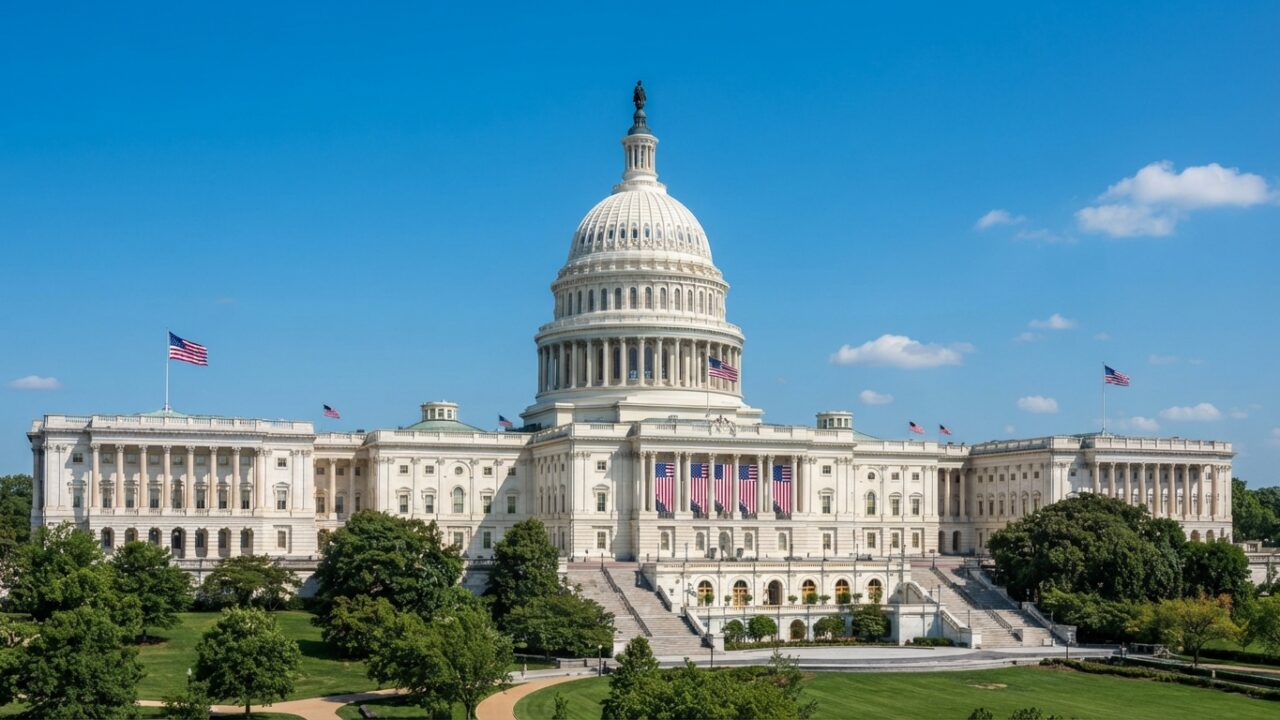
The United States House of Representatives has passed legislation that would impose additional economic sanctions on Russia through a tariff-based mechanism, marking a new approach to pressuring Moscow over its actions in Ukraine and broader geopolitical conduct. The bill represents a shift in how Congress seeks to leverage economic tools against foreign adversaries, combining traditional sanctions with trade policy instruments.
The legislation, which now moves to the Senate for consideration, would authorize the imposition of tariffs on Russian goods and potentially on products from countries that facilitate circumvention of existing sanctions. The measure reflects growing frustration among lawmakers over Russia’s continued military operations in Ukraine and concerns that existing sanctions regimes have not fully achieved their intended economic impact.
Combining Trade and Sanctions Policy
The bill marks an unusual convergence of trade policy and national security sanctions, areas traditionally handled through separate legislative and executive mechanisms. By employing tariffs as a sanctions tool, Congress aims to create additional economic pressure while potentially generating revenue that could be directed toward Ukrainian aid or other foreign policy objectives.
Tariffs function differently from conventional financial sanctions, which typically freeze assets, restrict transactions, or block access to international banking systems. Instead, tariff-based measures impose additional costs on imported goods, making Russian products less competitive in American markets while creating bureaucratic and economic friction for companies attempting to maintain trade relationships with sanctioned entities.
The approach could also affect third-party countries that serve as intermediaries for Russian trade. Several nations have emerged as conduits for goods flowing to and from Russia since Western sanctions intensified following the full-scale invasion of Ukraine in February 2022. Countries in Central Asia, the Middle East, and parts of Asia have seen trade volumes with Russia increase substantially as Moscow seeks alternative supply chains.
Broader Sanctions Architecture
The United States has deployed an extensive sanctions framework against Russia over the past three years, targeting financial institutions, energy companies, defense manufacturers, oligarchs, and government officials. These measures have been coordinated with European Union, United Kingdom, Canadian, and other allied sanctions programs to maximize economic isolation.
Despite this comprehensive approach, Russia has demonstrated resilience in adapting to sanctions pressure. The country has reoriented trade relationships toward China, India, and other non-Western partners, found workarounds for financial restrictions through alternative payment systems, and leveraged high energy prices to maintain budget revenues. The Russian economy contracted initially after sanctions intensified but has shown signs of stabilization, though long-term structural challenges remain significant.
Western policymakers have grappled with the limitations of sanctions as a coercive tool. While they impose costs and complicate logistics, sanctions alone have not compelled major policy changes from Moscow. This reality has prompted searches for additional leverage points, including the tariff mechanism now advanced by the House.
Implementation Questions
The practical implementation of tariff-based sanctions raises complex questions. US imports from Russia are relatively limited, consisting primarily of minerals, fertilizers, and petroleum products. Direct trade between the two countries has already declined sharply since 2022, reducing the immediate impact of additional tariffs on Russian goods.
More significant effects could come from secondary provisions targeting countries that facilitate sanctions evasion. However, such measures risk friction with nations that Washington seeks to maintain as partners on other issues. Balancing sanctions enforcement with broader diplomatic relationships presents ongoing challenges for policymakers.
The bill would also need to establish mechanisms for determining which goods fall under tariff sanctions, how rates would be set, and what exemption processes might exist for humanitarian or other critical imports. These administrative details will be crucial in determining the measure’s practical impact.
Revenue and Aid Provisions
Some versions of tariff-based sanctions legislation have included provisions directing revenue generated from the tariffs toward specific purposes, particularly aid for Ukraine. This approach appeals to lawmakers seeking to demonstrate both punishment of Russia and support for Ukrainian defense and reconstruction efforts.
However, the revenue potential may be limited given reduced trade volumes. The symbolic and political value of such provisions may exceed their fiscal impact, though they could establish precedents for future sanctions design.
Senate Prospects and Executive Position
The bill’s prospects in the Senate remain uncertain. While Russia sanctions generally command bipartisan support, the specific mechanism of tariff-based measures may encounter different reception in the upper chamber. Senators have varying views on trade policy tools and their appropriate use for foreign policy objectives.
The executive branch position on the legislation will also prove significant. Presidents typically seek to maintain flexibility in foreign policy implementation and may view congressionally mandated tariff sanctions as constraining diplomatic maneuvering. However, demonstrating resolve against Russia remains politically important across administrations.
The legislation arrives as broader debates continue over Western strategy toward Russia and support for Ukraine. European allies have extended sanctions packages while confronting energy security challenges and economic costs from reduced Russian trade. Transatlantic coordination on sanctions policy remains essential for maximizing effectiveness and minimizing circumvention opportunities.
Precedent and Future Applications
Beyond the immediate Russia context, the bill could establish precedent for using tariffs as sanctions instruments against other adversaries. China, Iran, and North Korea all face various US sanctions regimes that could theoretically be supplemented with tariff-based measures under similar legislative models.
Trade policy experts have expressed mixed views on conflating sanctions and tariffs, noting that the two tools serve different purposes and operate through different mechanisms. Tariffs traditionally address trade imbalances or protect domestic industries, while sanctions aim to change foreign government behavior through economic coercion. Combining them may create legal and practical complications.
International trade law, particularly World Trade Organization rules, could also constrain tariff-based sanctions depending on their design. WTO provisions allow security exceptions for trade restrictions, but the scope and application of such exceptions remain subject to interpretation and potential dispute.
The House vote demonstrates continued congressional appetite for aggressive economic measures against Russia, even as the Ukraine conflict extends beyond three years. Whether tariff-based sanctions prove more effective than existing measures remains to be seen, but the legislative momentum reflects determination to expand the economic pressure toolkit against Moscow.
