
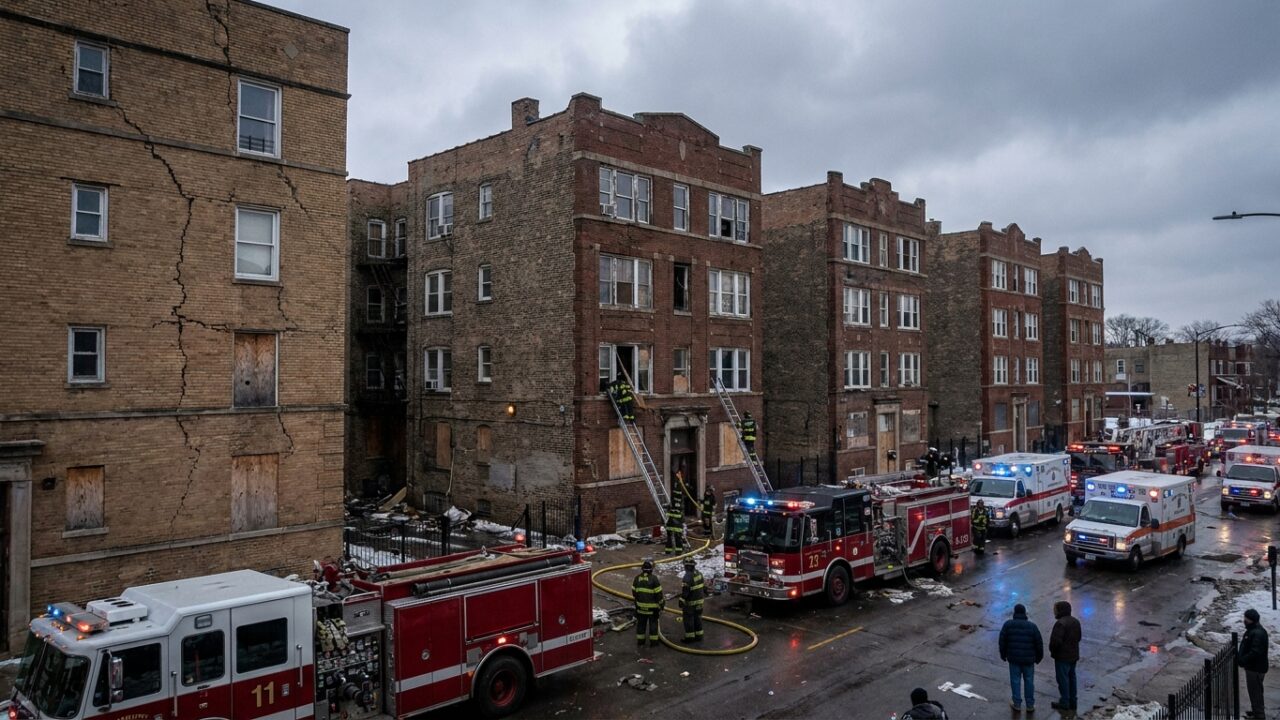
Multiple people were killed and injured in Kyiv on Thursday following what Ukrainian authorities described as a massive Russian strike on the capital. The attack targeted residential and infrastructure facilities across the city, marking one of the most significant bombardments of the Ukrainian capital in recent months.
Local emergency services confirmed casualties among civilians, though exact figures remained subject to verification as rescue operations continued throughout the day. Air raid sirens had sounded across Kyiv and surrounding regions, sending residents scrambling to shelters in the early hours.
Scale of the bombardment
The strike involved a combination of missiles and drones, according to preliminary Ukrainian military assessments. Air defense systems engaged numerous incoming threats, with explosions heard across multiple districts of the city. Debris from intercepted projectiles caused damage in several neighborhoods.
Kyiv mayor Vitali Klitschko reported impacts in at least three districts, with emergency crews dispatched to multiple locations. Fires broke out at several sites, requiring firefighting teams to work simultaneously across the city. Power infrastructure sustained damage, affecting electricity supply in certain areas.
The attack comes amid an intensification of Russian strikes on Ukrainian cities in recent weeks. Military analysts note a pattern of concentrated bombardments targeting both energy facilities and population centers as winter conditions persist.
Civilian impact and emergency response
Residential buildings suffered structural damage, with windows shattered and walls compromised in apartment blocks across affected districts. Residents described moments of terror as explosions rocked neighborhoods, forcing families into basements and designated shelter areas.
Medical facilities received wounded civilians throughout the morning, with hospitals activating emergency protocols to handle the influx of patients. Healthcare workers faced challenges managing casualties while maintaining services for existing patients under difficult conditions.
Ukrainian emergency services deployed teams to assess damage and locate potential victims trapped in damaged structures. Search and rescue operations extended into the afternoon as crews worked methodically through affected buildings. Utility companies mobilized repair teams to address disrupted electricity and heating systems, critical services during winter months.
Military and strategic context
The bombardment represents a continuation of Russian military tactics employed throughout the nearly three-year conflict. Strikes on Kyiv have occurred periodically, though the frequency and intensity have varied based on battlefield dynamics and strategic objectives.
Ukrainian air defense capabilities have evolved significantly since the war’s early stages, with Western-supplied systems augmenting Soviet-era equipment. Despite these improvements, the sheer volume of incoming projectiles during coordinated attacks overwhelms defenses, allowing some strikes to reach their targets.
The timing of major strikes often correlates with broader military campaigns or political considerations. Analysts monitor such attacks for signals about Russian strategic priorities and available missile stockpiles, as production constraints and sanctions impact military capabilities.
International reactions and support
Western governments quickly condemned the attack, with statements from European capitals and Washington expressing solidarity with Ukraine. The bombardment underscores ongoing discussions about military assistance levels and the provision of advanced air defense systems.
International humanitarian organizations maintain presence in Ukraine to respond to civilian needs following such attacks. Coordination between local authorities and aid groups facilitates rapid assessment of requirements and distribution of emergency supplies.
The strike may influence upcoming diplomatic engagements and decisions regarding military support packages. European Union members continue debating additional assistance measures, while debates in various national parliaments address long-term commitments to Ukrainian defense.
Infrastructure vulnerability and resilience
Ukrainian energy infrastructure remains a primary target of Russian military operations, with sustained campaigns aimed at degrading electricity generation and distribution capacity. Previous attacks have caused widespread blackouts, though repair efforts have demonstrated remarkable resilience.
Engineers have developed rapid response protocols for restoring damaged systems, often working under dangerous conditions to reconnect severed networks. Decentralization of energy resources and backup systems have improved overall grid stability compared to earlier phases of the conflict.
The psychological impact of persistent bombardment affects civilian populations beyond immediate physical damage. Constant threat of attack influences daily routines, economic activity, and long-term planning for residents attempting to maintain normal life under extraordinary circumstances.
Ongoing military dynamics
The strike on Kyiv occurs against a backdrop of continued fighting across multiple fronts in eastern and southern Ukraine. Ground operations persist in contested regions, with both sides claiming tactical gains while suffering significant losses.
Russian forces maintain pressure on Ukrainian defensive positions, utilizing artillery and air power to support ground advances. Ukrainian military strategy emphasizes defensive operations while seeking opportunities for counteroffensive actions where conditions permit.
Western military intelligence continues monitoring Russian capabilities and tactics, providing assessments that inform support decisions and strategic planning. The evolution of warfare techniques, including drone deployment and electronic warfare, shapes ongoing conflict dynamics.
As rescue operations continue and authorities compile comprehensive casualty and damage assessments, questions remain about the full extent of the attack’s impact. Ukrainian resilience faces yet another test as communities work to recover from the latest violence while maintaining resistance against ongoing aggression.
