
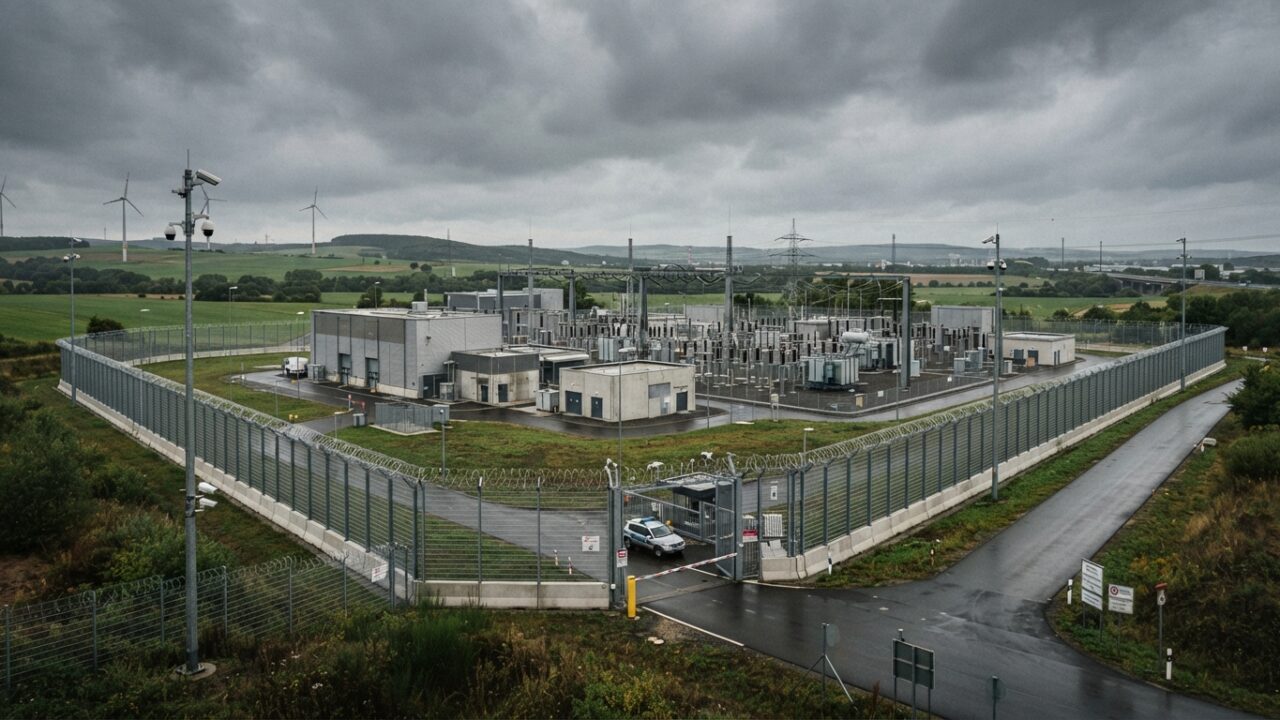
European Union and NATO officials have committed to intensifying measures against Russia following what German authorities are characterizing as a deliberate escalation involving critical infrastructure on German soil. The announcement comes as Western allies convene emergency consultations to address what they describe as a coordinated campaign targeting civilian infrastructure across member states.
German government sources indicated that recent incidents involve sabotage attempts on facilities essential to national security and economic stability. While specific details remain under investigation, officials from Berlin have briefed counterparts in Brussels and Washington on preliminary findings that point to organized external interference.
Coordinated Response Under Development
NATO Secretary General representatives confirmed that alliance members are reviewing options for collective response measures. The North Atlantic Council, comprising ambassadors from all member states, held closed-door sessions to assess the security implications and determine appropriate countermeasures.
European Commission officials separately announced that the EU would activate existing frameworks designed to respond to hybrid threats. These mechanisms allow for rapid coordination between member states on intelligence sharing, protective measures for critical infrastructure, and potential economic sanctions.
The dual-track approach through both NATO and EU channels reflects the overlapping but distinct mandates of the two organizations. NATO focuses primarily on collective defense and military deterrence, while the EU possesses broader tools including economic leverage and regulatory authority.
Pattern of Infrastructure Incidents
The German case follows a series of unexplained incidents affecting European infrastructure over recent months. Baltic countries reported disruptions to undersea cables connecting digital networks between Finland, Estonia, and Sweden. Energy facilities in Poland experienced irregular activity that prompted enhanced security protocols.
Investigators across multiple jurisdictions have been working to establish whether these incidents form part of a coordinated campaign. German security agencies are collaborating with counterparts in France, the United Kingdom, and Poland to analyze patterns and share evidence.
Critical infrastructure protection has become a priority concern for European governments since the 2022 Nord Stream pipeline explosions in the Baltic Sea. Those incidents, which remain under investigation by multiple national authorities, demonstrated the vulnerability of essential systems to sabotage.
Germany’s Strategic Infrastructure
Germany operates some of Europe’s most complex and interconnected infrastructure networks. The country serves as a central hub for continental energy distribution, digital communications, and transportation corridors linking eastern and western Europe.
Industrial facilities in Germany process significant volumes of natural gas and petroleum products for domestic use and redistribution to neighboring countries. Rail networks carry freight across borders, while data centers host services for clients throughout the continent. Any sustained disruption to these systems would have cascading effects beyond German borders.
Security experts note that modern infrastructure presents multiple potential vulnerabilities. Physical access points, digital control systems, and human operators all constitute potential targets for hostile actors seeking to create disruption without direct military confrontation.
Diplomatic and Economic Dimensions
European diplomats indicated that additional restrictive measures against Russia could be adopted if evidence confirms state involvement in the alleged sabotage. The EU has maintained a sanctions regime targeting Russian economic sectors since 2014, with significant expansion following the invasion of Ukraine in 2022.
Further measures might target specific individuals believed to be involved in hybrid operations, entities providing material support for sabotage activities, or sectors of the Russian economy deemed connected to security services. EU decision-making requires unanimity among member states for new sanctions packages, necessitating careful diplomatic coordination.
German economic interests complicate the sanctions calculus. Despite reduced energy dependence on Russia, German industrial firms maintain commercial relationships in various sectors. Political leaders must balance security imperatives with economic considerations affecting domestic employment and competitiveness.
NATO’s Enhanced Posture
NATO has substantially increased its military presence in eastern member states since 2022, deploying additional forces to Poland, the Baltic states, and Romania. The alliance established a new command structure designed to facilitate rapid reinforcement of frontline countries in crisis situations.
Recent incidents may prompt further adjustments to NATO’s defense posture, particularly regarding protection of critical infrastructure. Military planners are examining options for enhanced surveillance of vulnerable facilities, faster response protocols for suspected sabotage, and improved coordination with civilian authorities responsible for infrastructure security.
The alliance has also invested in capabilities to address hybrid threats that fall below the threshold of conventional military attack. Cyber defense, counter-disinformation efforts, and protection against subversive activities now feature prominently in NATO planning documents and training exercises.
Public and Political Reactions
German political parties largely expressed support for government efforts to investigate the incidents and coordinate with allies. Opposition leaders called for transparency regarding the nature of the threats and the adequacy of existing protective measures.
Public concern about infrastructure security has grown following previous high-profile incidents affecting energy supplies and communications. Opinion surveys indicate majority support for strengthening defensive capabilities, though views diverge on the appropriate balance between security measures and civil liberties.
Some analysts caution against premature attribution of responsibility before investigations conclude. They emphasize the importance of distinguishing between criminal activity, state-sponsored operations, and isolated incidents of equipment failure or human error.
Broader Regional Context
The infrastructure security challenges facing Germany and its allies occur against a backdrop of sustained geopolitical tension. Russia maintains significant military forces near NATO borders despite heavy losses in Ukraine. Western intelligence agencies report continued espionage activities and attempts to influence political processes in democratic societies.
European governments are simultaneously managing economic pressures including elevated energy costs, inflation concerns, and industrial competitiveness challenges. These economic factors influence public tolerance for confrontational policies that might entail further economic costs.
The coming weeks will likely bring additional details about the specific incidents in Germany and clarification of the evidence basis for official characterizations. Diplomatic consultations will continue as allies work to formulate responses that demonstrate resolve while managing escalation risks.
Investigative efforts remain ongoing, with German authorities expected to provide more comprehensive briefings to allied governments as analysis progresses. The outcome of these investigations will substantially shape the nature and intensity of any coordinated response measures undertaken by NATO and EU member states.
