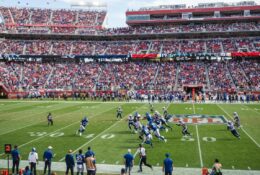
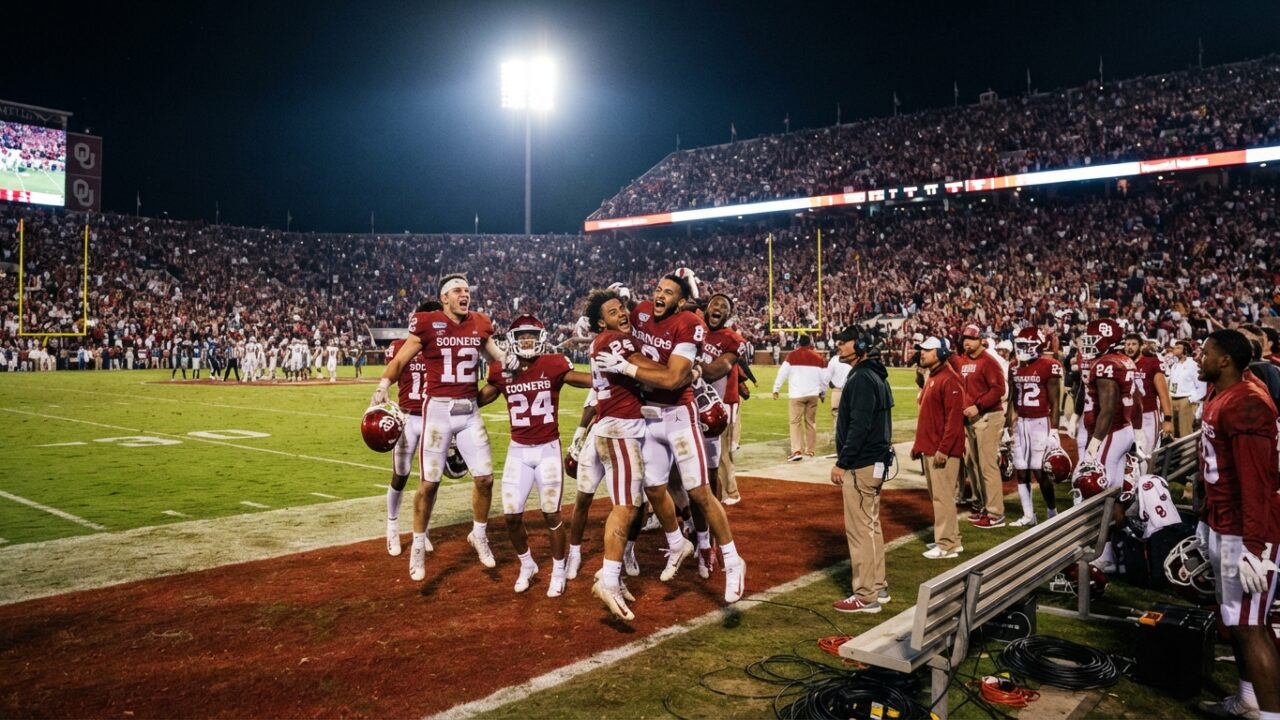
The Kansas City Chiefs opened their season with a decisive victory over the Denver Broncos, propelled by exceptional performances from quarterback Patrick Mahomes and running back Kenneth Walker III. The win marks another strong start for the defending champions as they pursue consecutive championships.
Mahomes demonstrated the precision and leadership that has defined his career, orchestrating multiple scoring drives and connecting with receivers across the field. His command of the offense proved too much for a Denver defense attempting to contain one of the league’s most dynamic quarterbacks.
Walker’s Impact on the Ground Game
Kenneth Walker III emerged as a crucial component of the Chiefs’ offensive strategy, consistently gaining yards and keeping the Broncos defense off balance. His running ability provided the balance necessary to complement Mahomes’ passing attack, forcing Denver to respect both dimensions of Kansas City’s offense.
The running back’s performance demonstrated the Chiefs’ commitment to establishing a more physical presence this season. By controlling the clock and wearing down the opposing defense, Walker allowed Kansas City to dictate the tempo throughout crucial stretches of the contest.
Broncos’ Struggles on Both Sides
Denver faced difficulties generating consistent offensive momentum against a Kansas City defense that appeared well-prepared for their schemes. The Broncos’ inability to sustain drives meant their defense spent extended periods on the field, contributing to fatigue as the game progressed.
The home team’s challenges extended beyond execution. Penalties at critical moments stalled promising drives, while the Chiefs capitalized on opportunities to extend their advantage. Denver’s coaching staff will need to address these discipline issues as they prepare for upcoming matchups.
Mahomes’ Continued Excellence
The Chiefs quarterback added another chapter to his already impressive legacy with his performance against division rivals. Mahomes’ ability to read defenses pre-snap and adjust protections allowed Kansas City’s offensive line to provide adequate time for routes to develop downfield.
His connection with tight end Travis Kelce remained a focal point of the passing attack, with the veteran receiver finding soft spots in Denver’s coverage schemes. This combination continues to pose matchup problems for opposing defenses attempting to limit Kansas City’s aerial assault.
Beyond statistics, Mahomes demonstrated the intangible qualities that separate elite quarterbacks from merely good ones. His composure in crucial situations and ability to extend plays when protection broke down kept drives alive and put points on the board.
Defensive Adjustments Paying Dividends
Kansas City’s defense showed improved coordination compared to previous seasons, limiting Denver’s ability to exploit weaknesses. The unit forced the Broncos into difficult third-down situations, ultimately getting off the field and returning possession to their high-powered offense.
Defensive coordinator Steve Spagnuolo’s scheme appeared tailored specifically for Denver’s personnel, with pass rushers generating pressure and defensive backs maintaining tight coverage. This combination prevented the Broncos from establishing rhythm and forced their quarterback into rushed decisions.
Implications for the AFC West
The victory reinforces Kansas City’s position atop the division standings and sends a message to conference rivals. With the Chiefs demonstrating both offensive firepower and defensive competence, other AFC West teams face an uphill battle in challenging their dominance.
Denver’s loss raises questions about their ability to compete within the division this season. The gap between the Broncos and Chiefs appeared substantial, suggesting significant work remains before they can challenge for playoff positioning.
The Raiders and Chargers will have observed this contest closely, noting Kansas City’s strengths and searching for potential weaknesses to exploit in their own matchups. Division games carry additional weight in determining playoff seeding, making each contest critical.
Looking Ahead for Both Teams
Kansas City faces a demanding schedule ahead, with several challenging opponents awaiting in coming weeks. The team’s ability to maintain health and consistency will determine whether they can sustain their championship-caliber play throughout the campaign.
The Chiefs’ coaching staff will likely use this victory as a baseline for future preparation, identifying areas requiring refinement while building on successful elements. Special teams coordination and red zone efficiency remain priorities as the season unfolds.
For Denver, the path forward requires honest assessment and rapid adjustment. The Broncos must determine whether personnel limitations or scheme execution contributed more significantly to their defeat, then implement corrections before their next appearance.
Broader Context in the NFL Landscape
The opening week across the league featured numerous high-scoring affairs, with the Chiefs-Broncos matchup contributing to what nearly became a historic collective offensive output. This trend suggests defenses league-wide may require time to adjust to new offensive wrinkles introduced during the offseason.
Rule changes and officiating emphasis points have traditionally favored offensive production, and this season appears to continue that pattern. Teams investing heavily in defensive personnel will need to demonstrate tangible results to justify those expenditures.
Kansas City’s success combining traditional rushing attacks with modern passing concepts may influence other organizations’ strategic approaches. The Chiefs have shown that balanced offense remains viable even in an increasingly pass-heavy league.
As Week 2 approaches, both franchises turn their attention to upcoming opponents. Kansas City seeks to build momentum while Denver attempts to regroup and salvage their early season prospects. The contrast between these trajectories will become clearer as additional games provide larger sample sizes for evaluation.