
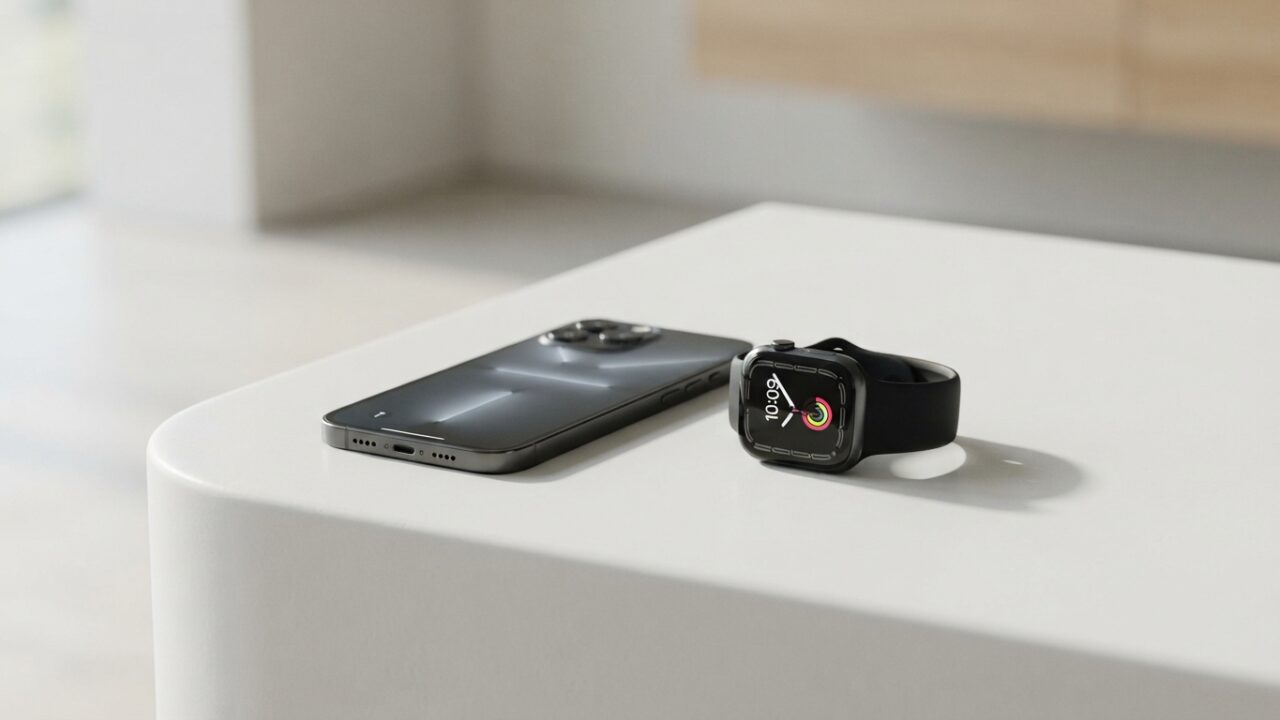
Apple held its highly anticipated spring product launch event in 2026, revealing its entry into the foldable smartphone market alongside updates to its flagship iPhone and smartwatch lines. The announcement represents one of the company’s most significant hardware pivots in recent years, as it addresses growing competition in the premium device segment.
The centerpiece of the event was the company’s first foldable device, reportedly priced starting at two thousand dollars according to industry sources. This marks Apple’s deliberate entry into a market segment that competitors including Samsung, Motorola, and Google have occupied for several years. The Cupertino-based manufacturer has historically waited to refine emerging technologies before incorporating them into its product ecosystem.
Foldable Design Enters Apple Lineup
The foldable iPhone represents a departure from the traditional smartphone form factor that Apple has maintained since the original device launched in 2007. While specific technical specifications were presented during the event, the device is expected to feature the company’s signature integration of hardware and software designed to optimize the folding display experience.
Foldable smartphones have gained traction among consumers seeking larger screen real estate in pocketable devices. Market research indicates that global foldable phone shipments have grown steadily, though they still represent a small fraction of overall smartphone sales. Samsung has dominated this category since introducing its Galaxy Fold line, iterating through multiple generations to address durability concerns and refine the user experience.
Apple’s timing reflects its traditional approach of entering product categories after allowing competitors to navigate early technical challenges. Previous foldable devices have faced criticism regarding screen durability, visible creasing, and limited software optimization. The company presumably aims to address these pain points through its vertical integration of hardware, operating system, and application ecosystem.
iPhone 18 Pro Updates Flagship Line
Alongside the foldable device, Apple introduced the iPhone 18 Pro, continuing its annual refresh cycle for the premium smartphone tier. The Pro line typically features advanced camera systems, enhanced processing capabilities, and display technologies that differentiate it from standard iPhone models.
The iPhone remains Apple’s most significant revenue generator, accounting for a substantial portion of the company’s quarterly earnings. Despite smartphone market maturation in developed economies, the device continues to drive services revenue through the App Store, subscriptions, and integrated offerings like Apple Pay and iCloud storage.
Annual iPhone updates have become predictable events in the technology calendar, with consumers and investors closely monitoring feature additions and pricing strategies. The smartphone industry has experienced lengthening replacement cycles as devices have become more durable and incremental improvements have diminished the urgency to upgrade.
Apple Watch 12 Advances Wearable Technology
The event also showcased the Apple Watch 12, the latest iteration of the company’s wearable device that has become the dominant smartwatch in global markets. Since its 2015 introduction, the Apple Watch has evolved from a smartphone accessory to a health monitoring device with increasingly sophisticated sensors and capabilities.
Recent Apple Watch generations have emphasized health and fitness tracking, incorporating features like electrocardiogram monitoring, blood oxygen measurement, and fall detection. These capabilities have positioned the device as a medical tool in addition to a consumer electronics product, with some features receiving regulatory clearance from health authorities.
The wearable technology market has expanded significantly, with smartwatches becoming mainstream accessories rather than niche gadgets. Apple’s dominant position in this category has created a lucrative ecosystem of bands, accessories, and third-party applications that generate recurring revenue beyond the initial device purchase.
Strategic Positioning in Competitive Market
The 2026 product launches occur against a backdrop of intensifying competition in premium consumer electronics. Chinese manufacturers have gained market share in various price segments, while established competitors continue to innovate in areas like camera technology, battery life, and artificial intelligence integration.
Apple has maintained premium pricing while competitors have introduced high-specification devices at lower price points. The company’s strategy relies on ecosystem lock-in, with users invested in services, accessories, and cross-device functionality that increases switching costs. The introduction of a foldable device at a premium price point aligns with this positioning, targeting early adopters willing to pay for novel form factors.
The broader smartphone market has shown signs of saturation in developed economies, with growth increasingly dependent on emerging markets and replacement cycles. Apple has responded by expanding its services business, which includes subscriptions for music, video, gaming, and cloud storage that generate recurring revenue from its installed base of device users.
Industry Implications and Consumer Response
The foldable iPhone’s reception will provide important signals about consumer appetite for alternative smartphone form factors at premium prices. Previous foldable devices have attracted early adopters but have not achieved mass-market penetration, partly due to pricing that places them above traditional flagship smartphones.
Display technology suppliers and manufacturing partners will benefit from Apple’s entry into foldables, as the company’s production volumes typically drive component innovation and cost reduction. The supply chain implications extend to specialized hinge mechanisms, protective materials, and flexible display panels that require different manufacturing processes than traditional smartphones.
Software developers will need to optimize applications for foldable displays, creating user experiences that take advantage of expanded screen space and multiple usage modes. Apple’s developer ecosystem has historically responded quickly to new hardware capabilities, creating a potential advantage over competitors whose application libraries may be less optimized for folding devices.
The 2026 event establishes Apple’s product roadmap for the year ahead, with availability timelines and detailed specifications determining how quickly consumers can access the new devices. Pricing strategies, carrier partnerships, and trade-in programs will influence adoption rates across different market segments and geographic regions.
