
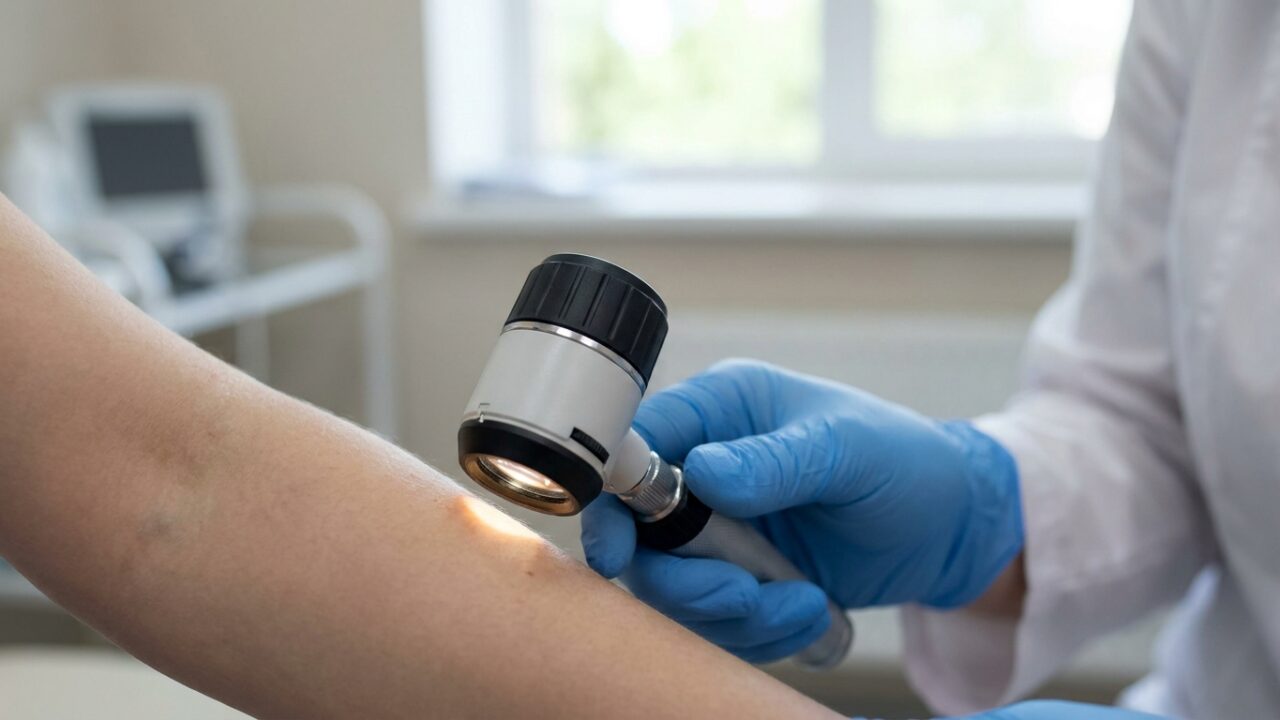
Skin cancer holds the distinction of being the most commonly diagnosed cancer globally, yet it frequently goes undetected until reaching advanced stages. Health professionals are emphasizing the importance of recognizing early warning signs that could save lives.
The disease affects millions annually, with rates continuing to climb in many regions. Despite its prevalence and the accessibility of skin for self-examination, many cases are discovered only after significant progression.
Why detection remains challenging
Unlike internal cancers requiring specialized imaging, skin abnormalities are visible to the naked eye. However, this apparent advantage doesn’t translate into early diagnosis for many patients. The subtle nature of initial changes, combined with public unfamiliarity with warning signs, contributes to delayed medical consultations.
Many people dismiss suspicious lesions as harmless age spots, moles, or minor skin irritations. The gradual development of some skin cancers allows them to blend into the skin’s existing landscape, particularly for individuals with multiple moles or sun damage.
Key warning signs to monitor
Dermatologists recommend regular self-examinations focusing on specific characteristics. Changes in existing moles warrant particular attention, including alterations in size, shape, color, or texture.
- Asymmetry in mole appearance, where one half differs from the other
- Border irregularities, with edges appearing ragged or blurred
- Color variations within a single lesion, especially multiple hues
- Diameter exceeding six millimeters, roughly the size of a pencil eraser
- Evolution of any skin feature over time
New growths appearing after age forty deserve evaluation, particularly those that bleed, itch, or fail to heal. Shiny, pearly bumps or flat, scaly patches can indicate basal cell or squamous cell carcinomas, the most common varieties.
High-risk populations and prevention
Individuals with fair skin, extensive sun exposure history, or family histories of skin cancer face elevated risk. However, the disease affects people of all skin tones, sometimes manifesting in less obvious locations such as palms, soles, or beneath nails.
Geographic location plays a role, with higher incidence rates in regions receiving intense ultraviolet radiation. Occupational exposure affects outdoor workers disproportionately.
Prevention strategies center on sun protection, including broad-spectrum sunscreen application, protective clothing, and avoiding peak sun hours. Tanning bed usage significantly increases risk and should be avoided.
The melanoma distinction
While basal cell and squamous cell carcinomas represent the majority of cases and rarely metastasize, melanoma poses greater danger. This aggressive form accounts for most skin cancer deaths despite comprising a smaller percentage of diagnoses.
Melanoma can develop in existing moles or appear as new lesions. Its capacity to spread rapidly to other organs makes early detection critical. The five-year survival rate exceeds ninety percent when caught early but drops dramatically with metastasis.
Overcoming barriers to screening
Access to dermatological care presents obstacles in many areas. Long wait times for specialist appointments can delay diagnosis by months. Some healthcare systems lack sufficient dermatologists to meet population needs.
Patient reluctance also contributes to the problem. Embarrassment about body examination, fear of diagnosis, or dismissal of symptoms as insignificant prevent people from seeking evaluation. Cultural factors and medical mistrust compound these barriers in certain communities.
Telemedicine has emerged as one solution, allowing preliminary assessment of suspicious lesions through photograph submission. While not replacing in-person examination, these platforms can expedite triage and prioritization.
The role of primary care
General practitioners serve as the first line of defense, yet time constraints during appointments often limit thorough skin examinations. Many patients don’t mention skin concerns unless specifically problematic, and physicians may not routinely perform full-body checks.
Training initiatives aim to improve primary care providers’ ability to recognize suspicious lesions and determine appropriate referral timing. Standardized screening protocols could identify more cases before dermatology consultation becomes necessary.
Public awareness campaigns encourage individuals to advocate for themselves, explicitly requesting skin checks during routine visits. Photographic documentation of moles allows tracking of changes between appointments.
The medical community continues developing improved diagnostic tools, including artificial intelligence systems analyzing lesion images. These technologies may eventually support both professionals and patients in identifying concerning features warranting further investigation.