September 2026 presents an exceptional month for stargazers worldwide, with multiple celestial events converging to create optimal viewing conditions. Astronomy organizations have identified several significant phenomena that will be visible to observers equipped with nothing more than clear skies and patience, though binoculars and telescopes will enhance the experience substantially.
The month’s celestial calendar features a partial lunar eclipse, peak activity for two major meteor showers, and favorable positioning of several planets for observation. These events occur during a period when weather conditions in many regions transition from summer humidity to clearer autumn skies, particularly benefiting observers in the Northern Hemisphere.
Partial Lunar Eclipse Marks Mid-Month Highlight
The most dramatic event of September 2026 occurs mid-month when Earth’s shadow partially covers the Moon during a partial lunar eclipse. Unlike solar eclipses that require special viewing equipment, lunar eclipses can be safely observed with the naked eye from anywhere on the night side of Earth during the event.
The eclipse’s visibility zone spans a significant portion of the globe, though exact timing varies by location. Observers in the Americas enjoy prime viewing positions, with the event occurring during evening hours when the Moon sits well above the horizon. European and African observers catch the eclipse during pre-dawn hours, while much of Asia experiences less favorable timing.
Partial lunar eclipses occur when the Moon passes through Earth’s penumbral and umbral shadows but doesn’t become completely immersed. During maximum eclipse, roughly one-third of the lunar surface darkens noticeably, creating a distinctive appearance as the shadow curves across the familiar face of the Moon. The penumbral phase, when Earth’s outer shadow touches the Moon, begins approximately an hour before the partial phase and creates subtle shading difficult to detect without careful observation.
Meteor Shower Activity Peaks Twice
September 2026 delivers two opportunities for meteor observation as established annual showers reach their maximum activity levels. These meteor showers result from Earth passing through debris streams left by comets during previous passages through the inner solar system.
The first shower peaks during early September, producing moderate meteor rates under dark sky conditions. Observers away from light pollution can expect to see between ten and fifteen meteors per hour during peak activity, which occurs during the pre-dawn hours when the radiant point sits highest in the sky. The Moon’s phase during this period proves favorable, setting before midnight and leaving skies dark during prime viewing hours.
Later in the month, a second shower becomes active, though its peak occurs just as September transitions into October. This shower historically produces more variable rates, with some years delivering unexpected outbursts of activity. Meteor shower forecasting has improved significantly with computer modeling of debris stream dynamics, but surprises remain possible when Earth encounters dense pockets of material.
Planetary Visibility Reaches Seasonal Peak
September 2026 offers exceptional opportunities for planetary observation, with several worlds positioned favorably in the evening and morning skies. Jupiter and Saturn continue their prominence in the night sky, appearing well-placed for observation during comfortable evening hours rather than requiring late-night vigils.
Jupiter dominates the southeastern sky after sunset, its brilliant appearance making it unmistakable even to casual observers. Telescope users can observe the planet’s cloud bands, the Great Red Spot during favorable rotations, and the constant dance of its four large moons discovered by Galileo. These moons change position noticeably over just a few hours, providing dynamic viewing even during a single observing session.
Saturn appears nearby, offering views of its magnificent ring system. September 2026 finds the rings at a favorable angle for observation, tilted sufficiently to display their structure clearly. Modest telescopes reveal the ring division and the planet’s largest moon, Titan, which orbits at a distance easily resolved from the planet itself.
Mars makes an appearance in the pre-dawn sky, rising several hours before sunrise. Though not yet at opposition when it appears largest and brightest, the Red Planet shows a noticeable disk through telescopes and displays its characteristic color easily to naked-eye observers. Venus may also grace the morning or evening sky, depending on its current position in its orbital cycle relative to Earth.
Deep Sky Objects Benefit from Autumn Positioning
As September progresses, the night sky’s orientation shifts to favor autumn constellations in the Northern Hemisphere and spring constellations in the Southern Hemisphere. This seasonal transition brings new deep sky objects into comfortable viewing positions during evening hours.
The Andromeda Galaxy, our nearest large galactic neighbor, climbs higher in the northern sky as evenings progress. This object remains visible to the naked eye from dark locations as a faint smudge, but binoculars reveal its elongated shape, and telescopes show structural details including dark dust lanes and bright star-forming regions.
Globular clusters, ancient spherical concentrations of hundreds of thousands of stars, appear scattered across the sky in positions favorable for observation. These objects, among the oldest structures in the galaxy, reward patient observers with views of dense stellar populations that appear jewel-like through moderate aperture telescopes.
Optimal Viewing Conditions and Preparation
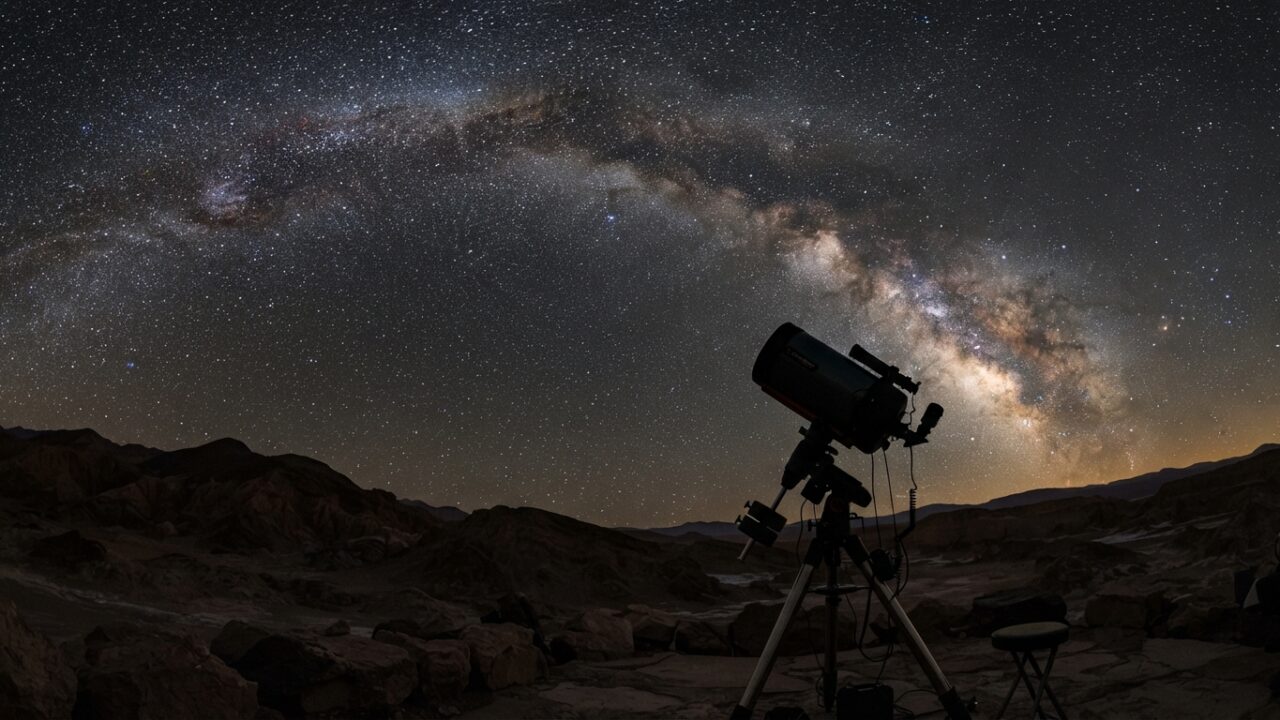
Successfully observing September’s celestial events requires minimal equipment but benefits from proper preparation. Dark adaptation takes approximately thirty minutes as the eye’s sensitivity increases, with full adaptation requiring up to an hour for the most challenging observations.
Light pollution remains the primary obstacle for most observers. Traveling even modest distances from urban centers improves viewing conditions dramatically. Mobile applications that map light pollution help identify nearby dark sky locations, while astronomy clubs often maintain observing sites specifically chosen for their dark skies.
Weather represents the second major factor affecting observation success. Autumn weather patterns vary significantly by region, with some areas experiencing increased cloudiness while others enjoy the clearest skies of the year. Checking local forecasts and satellite imagery helps optimize observing session planning.
The specific dates for peak activity and optimal viewing times depend on observer location. Astronomy publications and websites provide detailed predictions tailored to specific geographic coordinates, ensuring observers don’t miss narrow viewing windows for time-sensitive events like the lunar eclipse.